Washing Machine Buying Guide: Front vs Top Load
The best washing machine is the one that matches your family's laundry volume, water supply and space. This washing machine buying guide compares front-load, top-load and semi-automatic machines, with an India-specific focus on installation, water conditions and maintenance. A higher price or bigger drum does not automatically make a machine better for your household.
Thank you for reading this post, don't forget to subscribe!Washing Machine Buying Guide: Quick Checklist
- Choose type based on routine and available water supply.
- Size capacity for realistic loads, not a bigger-is-better rule.
- Measure space including door and hose clearance.
- Check BEE information and programme-specific consumption.
- Verify installation, warranty and local service.
Understand the three common types
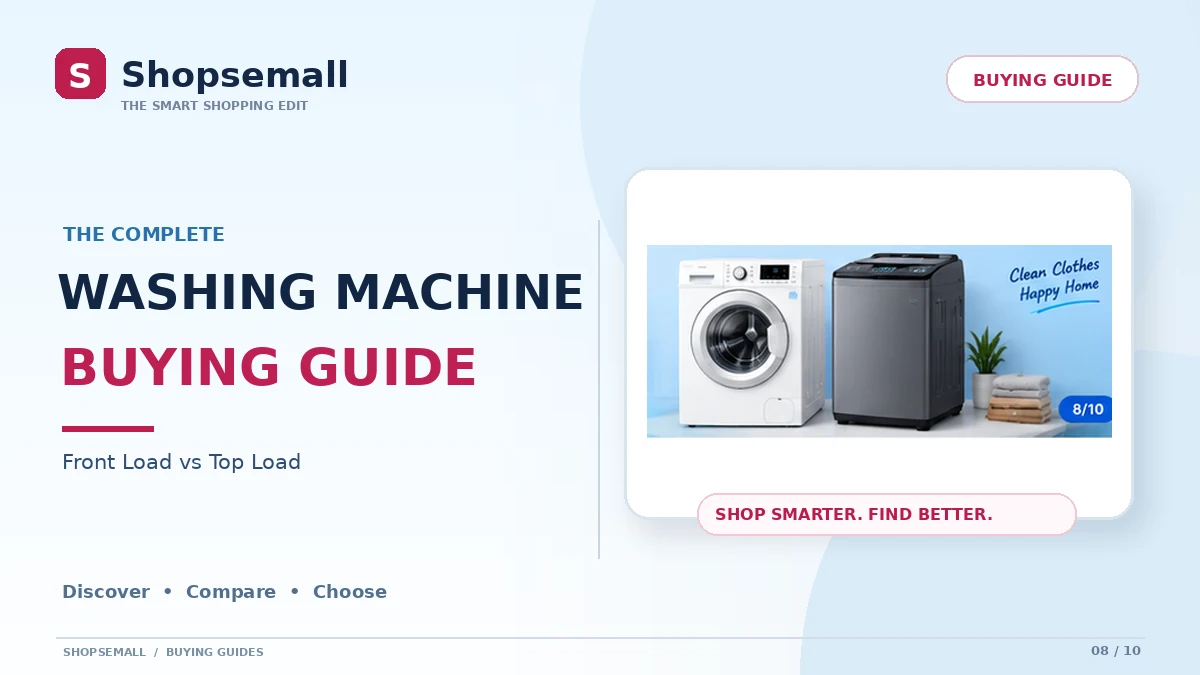
Front-load machines use a horizontal drum and can provide efficient washing with suitable cycles, though wash times and purchase prices may be higher. Fully automatic top-load machines are convenient to load from above and are often easier to use where bending is uncomfortable. Semi-automatic twin-tub machines require more user intervention but may suit households that prefer greater manual control.
Actual wash performance varies by model, programme and load. Do not assume every front-load is better than every top-load; compare the exact products and the fabrics you wash most.
Pick the drum capacity for your household
Manufacturers usually state nominal capacity in kilograms of dry laundry. Your best capacity depends on the number of people, laundry frequency and how often you wash towels or bedsheets. A large rating is not permission to fill the drum tightly; clothes need room to move according to the manual.
If you wash small loads daily, prioritise appropriate quick and small-load programmes. If you do large weekly loads, drum size and bedding compatibility matter more. Measure door clearance and machine depth, including hoses behind the unit.
Water supply and installation
Check minimum inlet-water pressure, local water availability and drainage position. Some machines may not work properly with irregular supply or unsuitable pressure without changes. The manufacturer's installation requirements should decide where taps, pipes and electrical sockets are placed.
For hard-water areas, review maintenance guidance and whether the brand offers compatible inlet filters or cleaning products. Avoid installing a machine in a wet or poorly ventilated spot that does not meet the manufacturer instructions.
Electricity, water and wash programme claims
Use the applicable BEE label and declared energy or water information where available to compare like-for-like machines. Programme settings matter: a high-temperature heavy cycle uses different resources from a cold quick wash. A star label is helpful, but running cost also depends on actual use and local electricity and water conditions.
An inverter motor may improve speed control and efficiency in some designs, but its label alone does not guarantee quiet operation. Compare noise levels, vibration, spin performance and actual wash results.
Service and long-term maintenance
Check warranty coverage separately for the whole machine and motor; long motor warranties may not cover electronics, labour or other components. Find out whether the service centre covers your area and the expected cost of out-of-warranty repairs.
Front-load door gaskets and detergent drawers should be cleaned as advised; top-load machines also need tub-cleaning cycles and lint management. Proper detergent dosing, ventilation after washing and periodic cleaning can prevent common problems.
Quick decision framework
Choose according to your priorities: budget and manual control, top access and convenience, or particular wash and efficiency needs. Compare model-specific ratings, water requirements, drum size, warranty and dimensions. Check delivery and installation charges before checkout.
Keep the invoice and test a full wash-and-spin cycle soon after installation. Look for leaks, unusual vibration or error codes while you are still within the seller's support window.
Frequently Asked Questions
Is front load always better than top load?
No. Performance and convenience depend on the specific model, clothes and household routine.
Does higher kg capacity always save time?
Not necessarily. It helps only when you regularly wash larger suitable loads.
Should I trust a 10-year motor warranty alone?
No. Read the complete machine warranty, exclusions and service conditions.
Final Buying Advice
Compare the current product listing with the manufacturer’s own specifications, inspect seller and warranty terms, and choose what fits your needs rather than a headline discount. Prices, availability and product specifications can change; verify them on the retailer page before ordering.
Helpful Official Resources
Editorial note: This is a general buying guide, not a hands-on review of a particular product. Shopsemall may earn a commission from qualifying purchases made through clearly identified affiliate links elsewhere on the site.